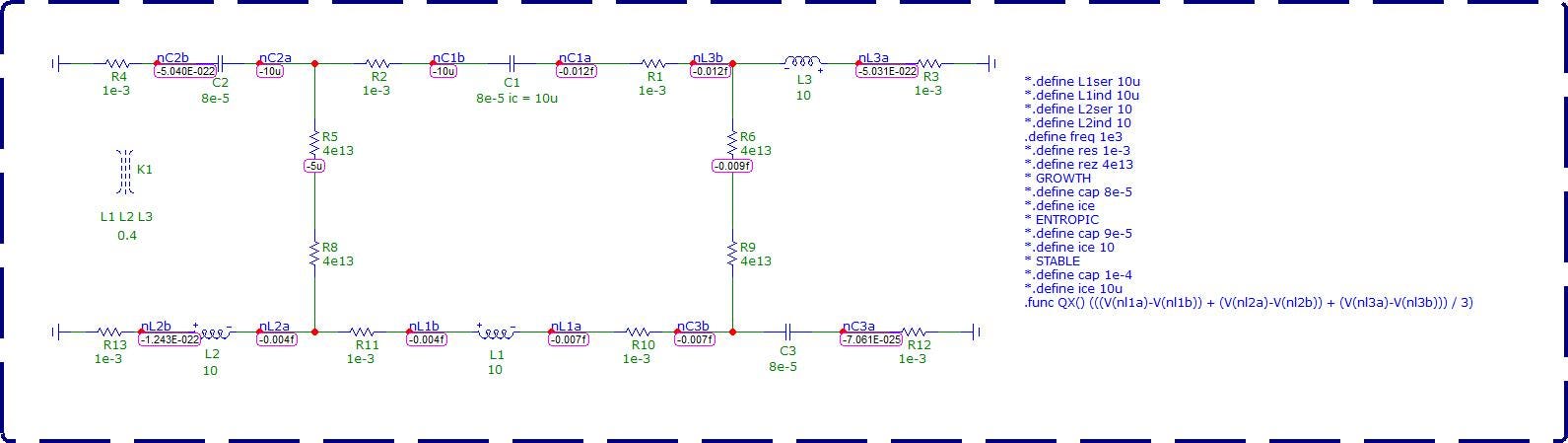
Non-Resonant Overunity in Micro-Cap SPICE

Extending from this:
… to produce a Micro-Cap version of a similar result, output:
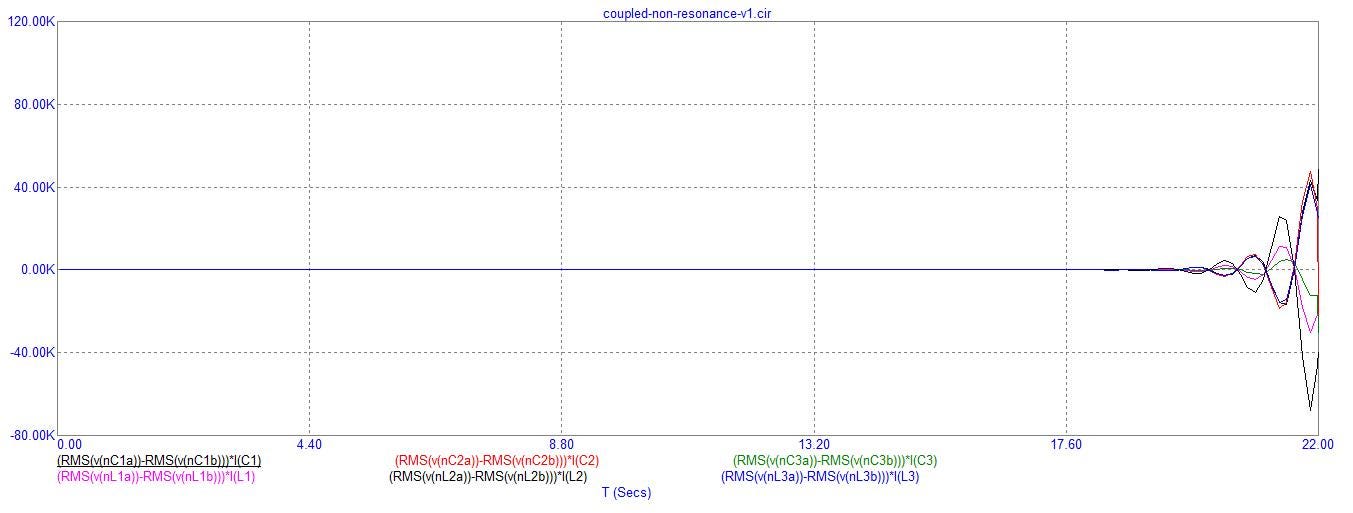
Nodal voltages:
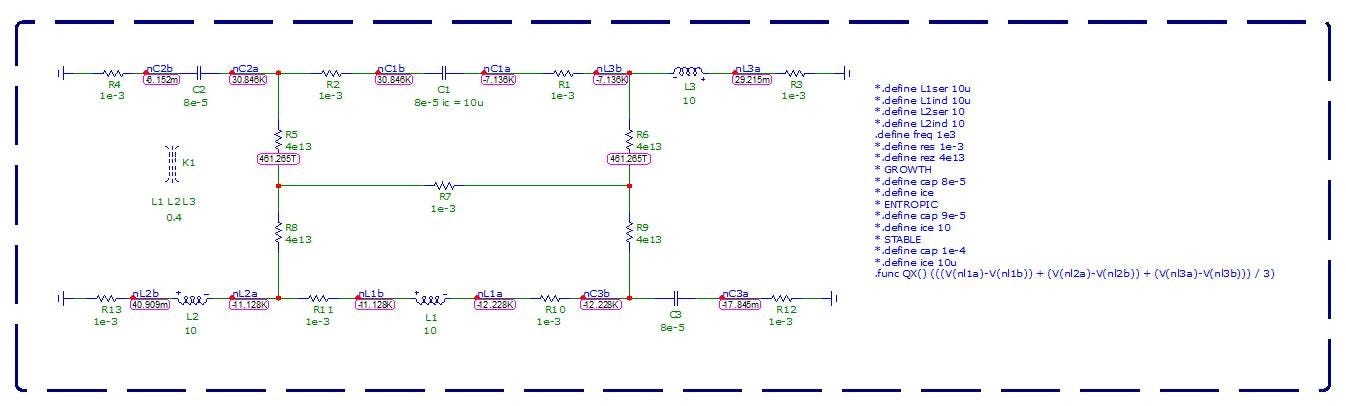
Currents:
Powers:
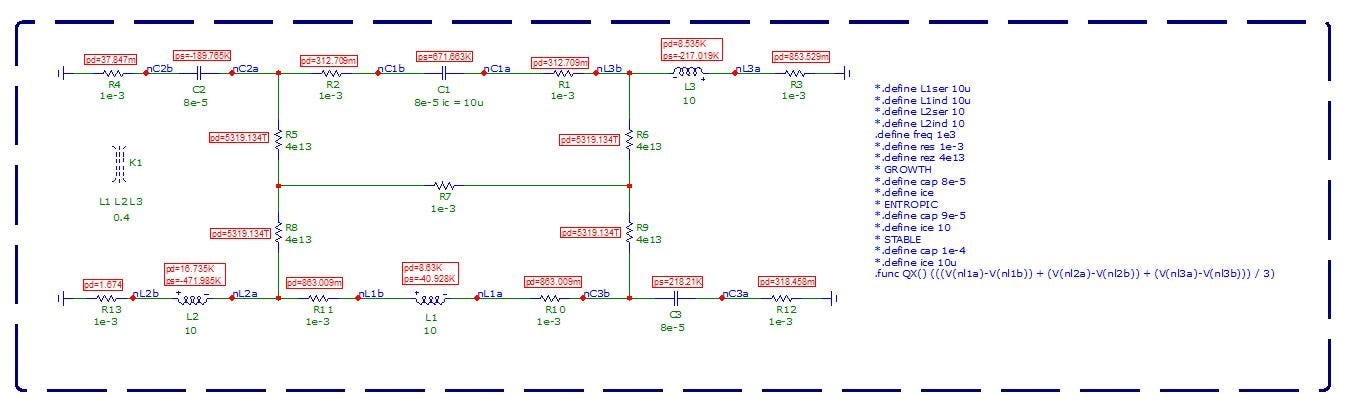
Schematic:
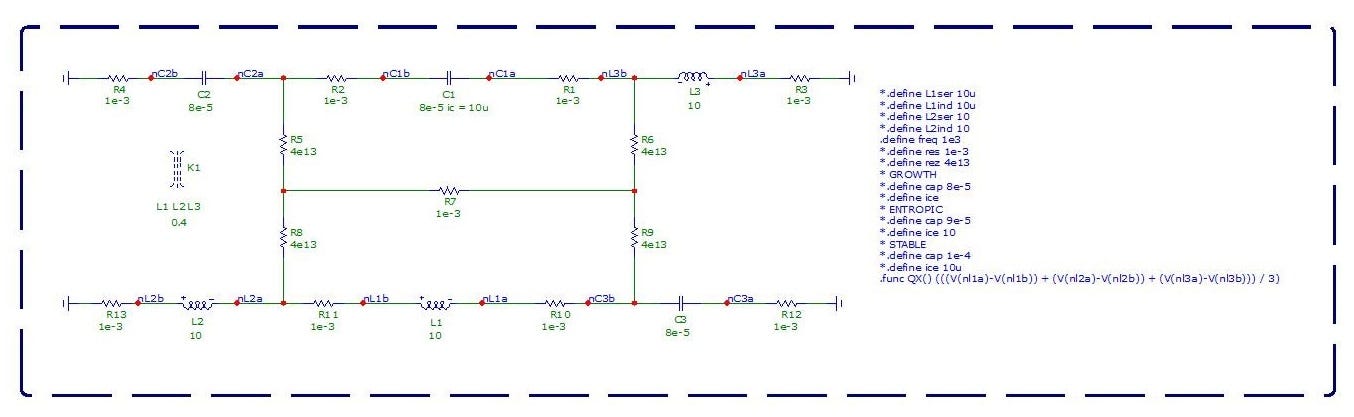
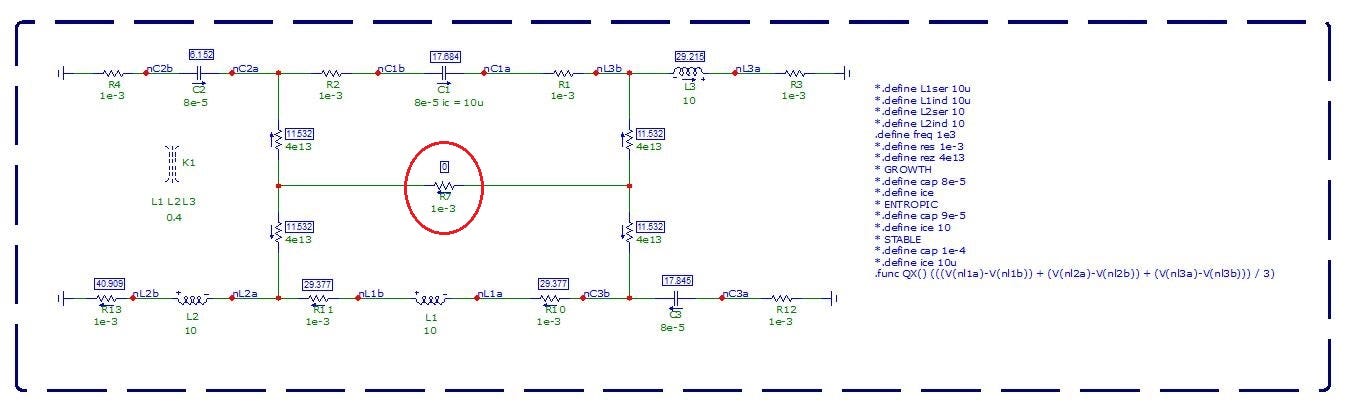
Reviewing currents:
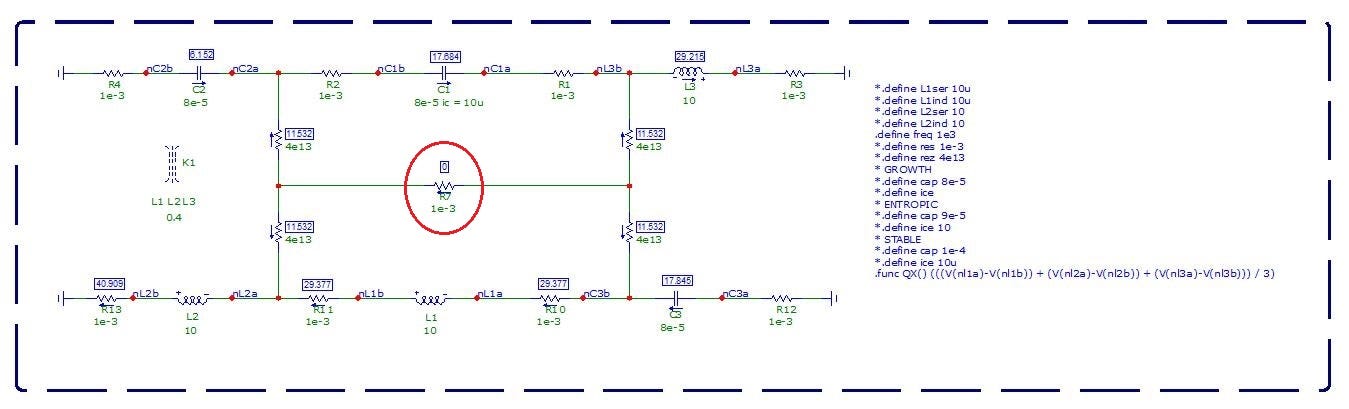
Although resistor, R7, is not a node, and the two nodes on either side of R7 exhibit elevated nodal voltages of Tera volts, the current passing through R7 is zero amperes and, consequently, the two nodal voltages on either side of R7 are equal to each other. This doesn’t even come close to being a substitute for a zero-node voltage and, thus, cannot be considered to be a virtual ground. Yet, it is a seemingly useless component. It simply means that the circuit is symmetrical on either side of a vertical dividing line which passes through this component.
Or, is it that simple?
No, it is not that simple.
If we remove this component, then we get different results in that we lose the circuit’s overunity. So, it’s doing something which is intrinsically important for this circuit’s archetype to deliver overunity:
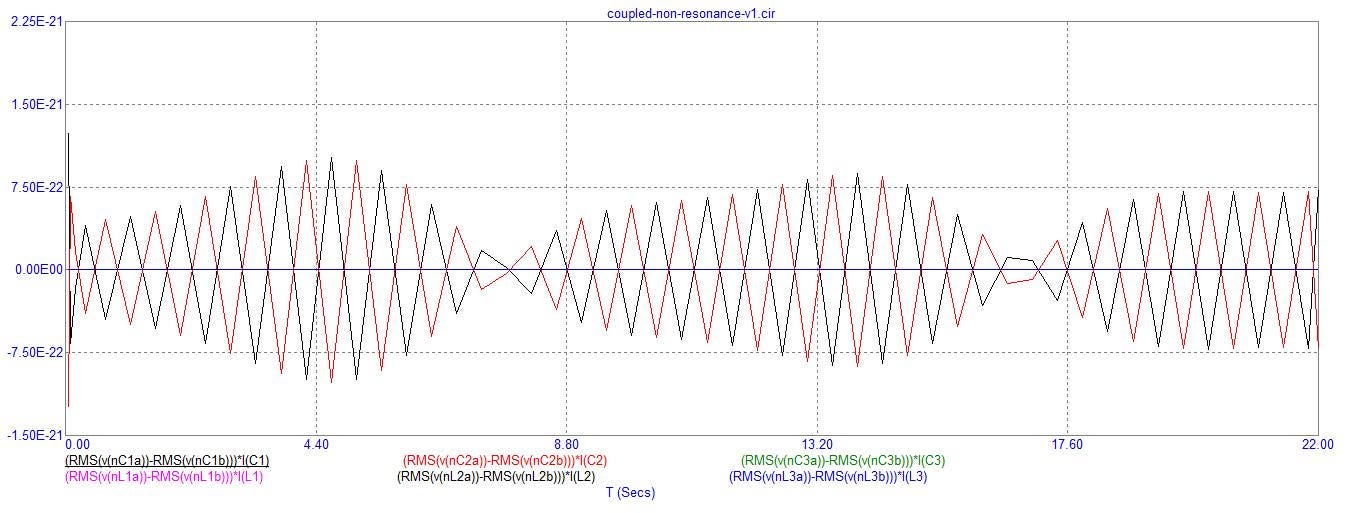
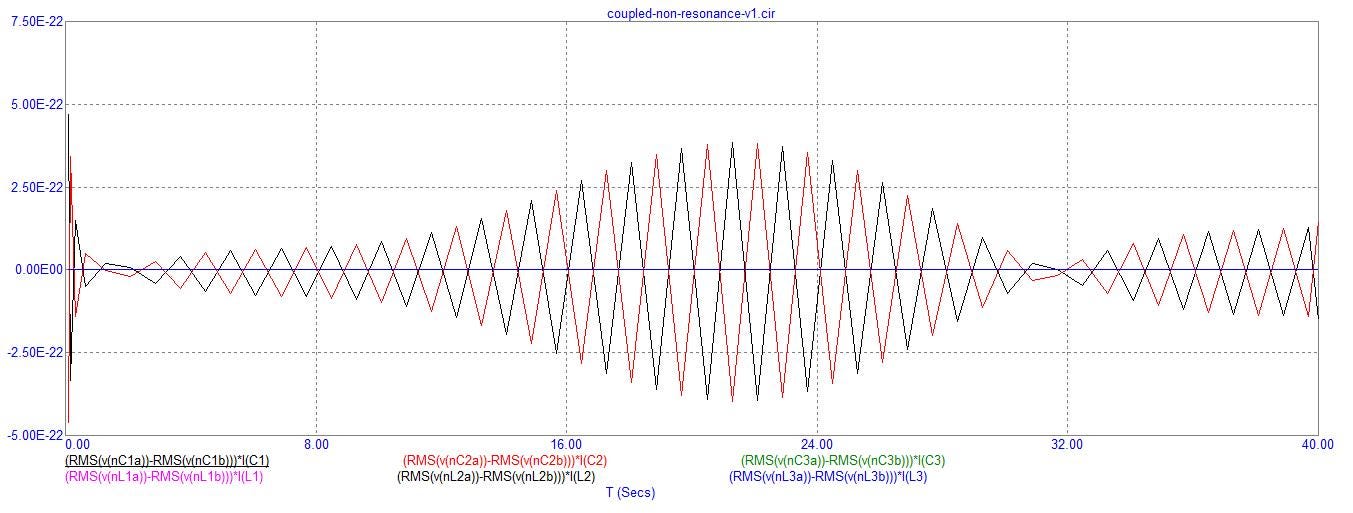
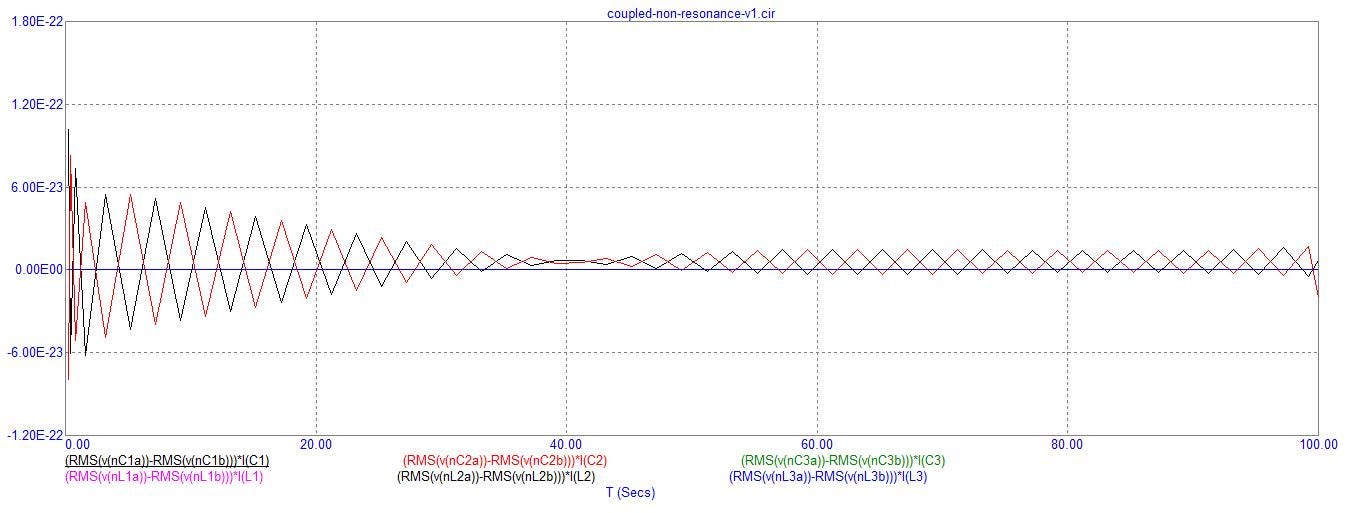
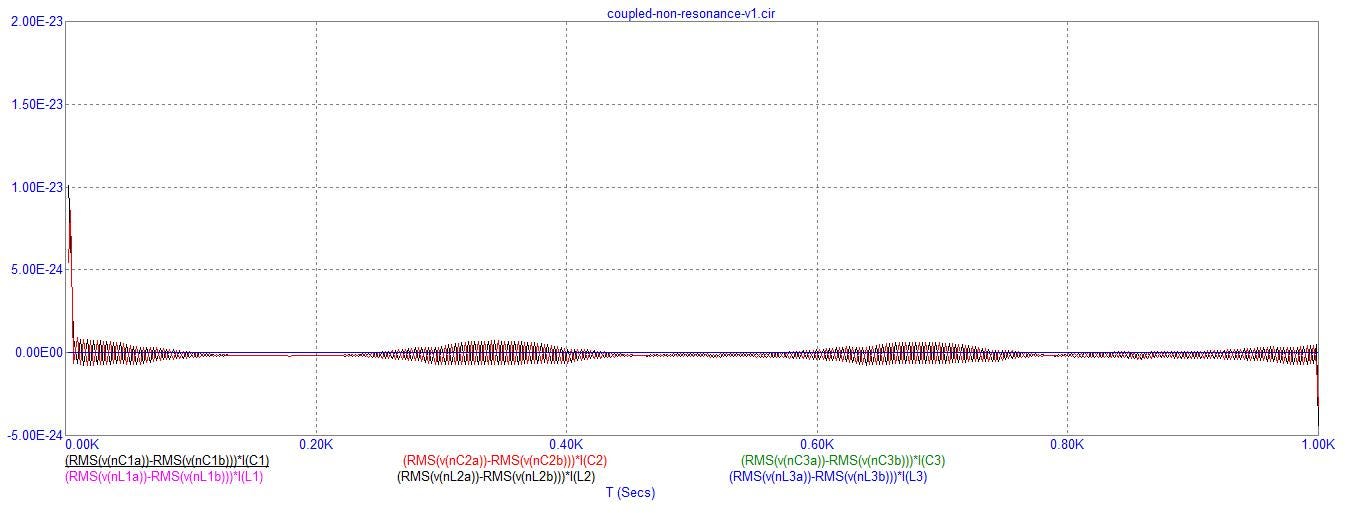
It is acting as a short.
Sometimes, shorts are useful for they give access for overunity to travel across a reduced resistant pathway. Any other pathway will have various impedances and resistances. The shorted pathway will boost these other pathways causing the transformation of this circuit into a circuit which is more likely to produce overunity and, if we’re lucky, actually produce overunity.
Shorts are analogous to virtual grounds in that a virtual ground indicates that a short is occurring somewhere else causing a redirection of energetic flow away from the virtual ground.
Shorts don’t have to be restricted to resistive shorts, alone. Shorts can also be reactive impedant shorts.
Either way, a virtual pathway (a short) or a virtual ground is the result. Thus, a virtual ground is analogous and a substitute conclusive opinion for a resistive or impedant short.
So, we have two or three types of diagnostic checks for overunity, or potential overunity, within a circuit. Either one will do just fine.